
High-Rise & Commercial Construction
Flat-top and luffing jib tower cranes engineered for dense urban sites. Jib lengths up to 80m, out-of-service radius as low as 8m for overlapping crane operations. LiDAT telematics for real-time fleet monitoring.
Request Tower Crane Spec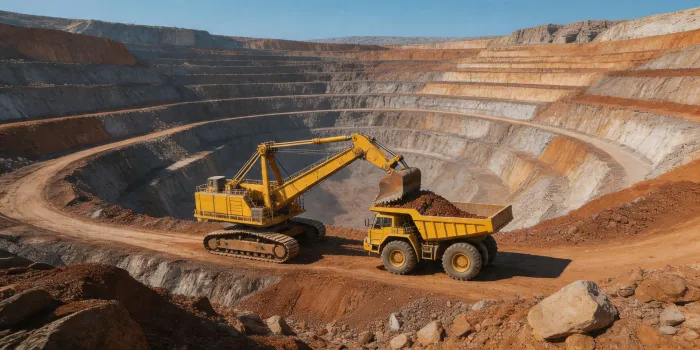
Mining & Mineral Processing
800t class hydraulic excavators and 363t payload haul trucks for large-scale open-pit operations. Electric drive systems offer lower fuel consumption per tonne moved compared to mechanical drive — the difference varies by haul distance and gradient but typically ranges from 15% to 30% based on fleet operator data. Proven at altitudes above 4,000m.
Request Mining Spec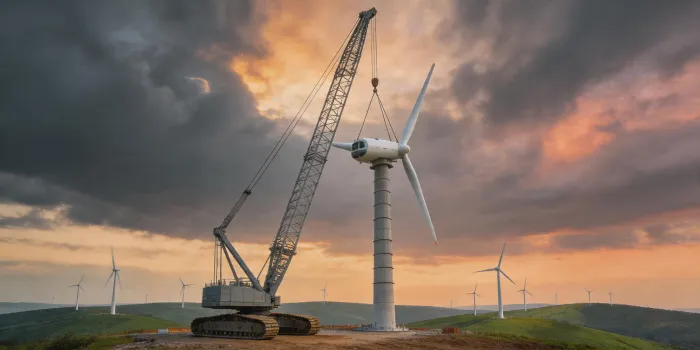
Wind Energy
Purpose-built crawler cranes for nacelle and blade installation at hub heights exceeding 150m. Boom configurations optimised for wind turbine lift cycles. Ground pressure mats and temporary crane pads engineered for each site.
Request Wind Energy Quote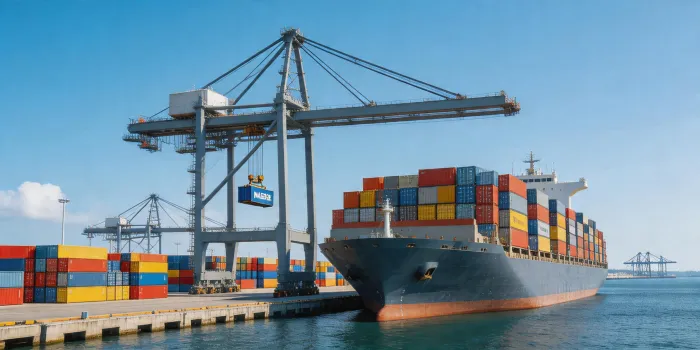
Port & Maritime Logistics
Ship-to-shore cranes, rubber-tyred gantry cranes, and harbour mobile cranes for container terminal automation. Remote operation capability and anti-sway systems reduce cycle time by up to 15%.
Request Port Equipment Quote